

The perfect vacation begins with a well-planned itinerary, but often ends with lower back pain. Long flights, heavy suitcases, uncomfortable seats, unfamiliar mattresses, and prolonged inactivity can turn even a dream trip into a trial for your back.
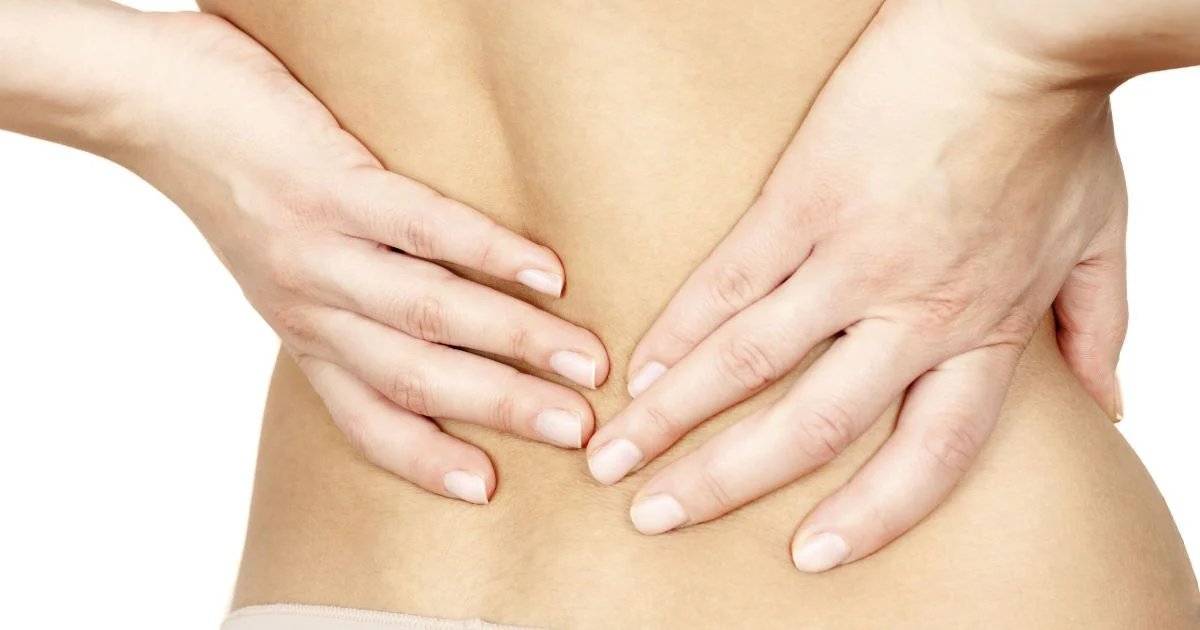
Why Your Back Hurts After Traveling / © Credits
So, if after your journey you feel like lying down motionless in your hotel room rather than going out for dinner, you are certainly not alone. The Washington Post reports that the issue isn’t age or a “weak back,” but rather how we travel.
Travel has long been a part of the modern lifestyle. We fly for vacations, travel for business, take weekend trips out of town, or spend hours in a car on the way to the sea. But along with the romance of travel comes a less glamorous aspect of life – back discomfort.
Our bodies are simply not designed for prolonged sitting in a static posture. Airplanes, cars, and trains rarely support the natural alignment of the spine, and lack of movement only intensifies muscle tension. Add to this the suitcases we carry on one shoulder and sleeping on an unfamiliar mattress, and you have the classic “travel” back pain. However, it shouldn’t be accepted as the “norm.” There are simple habits that truly work.
Why Does the Back React So Painfully to Travel?
The biggest trigger is prolonged sitting. It causes muscle stiffness, overstrains the hip flexors, and weakens lumbar support. Even the most comfortable chair cannot compensate for the lack of movement.
Another factor is poor posture. Many people literally “slouch” in their seats or lean to the side due to a neighbor taking up space. All of this throws the spine out of its neutral position.
Gadgets are also a significant concern. Constantly looking down at a phone or tablet puts extra strain on the neck, shoulders, and upper back.
And, of course, luggage. A heavy bag on one shoulder is a classic scenario that causes the lower back to “remind” you of its presence for several days afterward.
What to Do While Traveling
The main rule is to move, even minimally. On a plane or train, it’s advisable to stand up at least every 30–45 minutes. If you can’t walk around, change your body position, stretch your legs, and perform gentle shoulder and neck movements.
To support your lower back, sit as deeply as possible in your seat, and if necessary, place a small pillow or a rolled-up blanket behind your lower back.
It’s also important to distribute your weight evenly on your sit bones and avoid leaning to one side.
A separate recommendation is not to be shy about stretching. Among the most effective exercises are:
-
Placing the ankle of one leg on the knee of the other and gently pushing the knee away from you.
-
Leaning your torso forward towards your knees.
-
Extending your legs forward to relax your hips.
During car trips, you should stop at least once every two hours to walk around and move a bit.
The Importance of Luggage
Carrying a heavy bag on one shoulder is one of the worst travel habits. It’s better to choose wheeled luggage and lift baggage in stages, not with a sudden jerk. This is especially true at airport baggage carousels, where people often injure their backs.
It’s also important to keep your spine in a neutral position when lifting items and to avoid twisting your torso with weight in your hands.
The Hotel Bed
Even a luxurious hotel doesn’t guarantee a comfortable sleep for your back. A different mattress, an unfamiliar pillow, or incorrect sleeping posture can worsen pain.
It’s best to sleep in the most neutral position possible. If you sleep on your side, place a pillow between your knees to reduce strain on your lower back. And be sure to listen to your body – if a certain position causes discomfort, don’t “endure it until morning.”
If Pain Has Already Appeared
The worst thing you can do is stop moving out of fear of pain. Don’t forget that movement actually heals. Light activity helps muscles relax faster and reduces stiffness. Among the exercises recommended during travel are:
-
Forward bends
-
The “wall angel” exercise
-
The “cat-cow” pose for spinal mobility
-
The bridge pose to activate gluteal muscles
-
The “fire hydrant” exercise with leg lifts to the side
Heat, cold, light massage, or over-the-counter anti-inflammatory medications may also help.
And one more important point – water. Dehydration exacerbates muscle stiffness and can provoke back pain.
Remember, if the pain is accompanied by numbness, tingling, problems with urination, or is so severe that it’s difficult to move, it’s a reason to seek immediate medical attention.
Journeys should leave you with memories of new cities, beautiful sunsets, and delicious breakfasts, not with lower back patches in a hotel room. And while it’s impossible to avoid long flights or uncomfortable seats, our bodies respond very well to simple things: movement, spinal support, water, sleep, and a little self-awareness.
Comments Sort: New Old Popular Send
Source: tsn.ua