

The XXV Winter Olympic Games, which have already made history not only for athletic records but also for human stories, concluded in Milan on February 22. Never before have athletes been so sincere and confident in their values and beliefs. From issues of national memory and taboo subjects to raising concerns about mental resilience and moral responsibility, we recall four stories that captured the world’s attention.
Sport as a Manifesto of Remembrance: Skeleton Racer Vladislav Heraskevych
Advertisement.
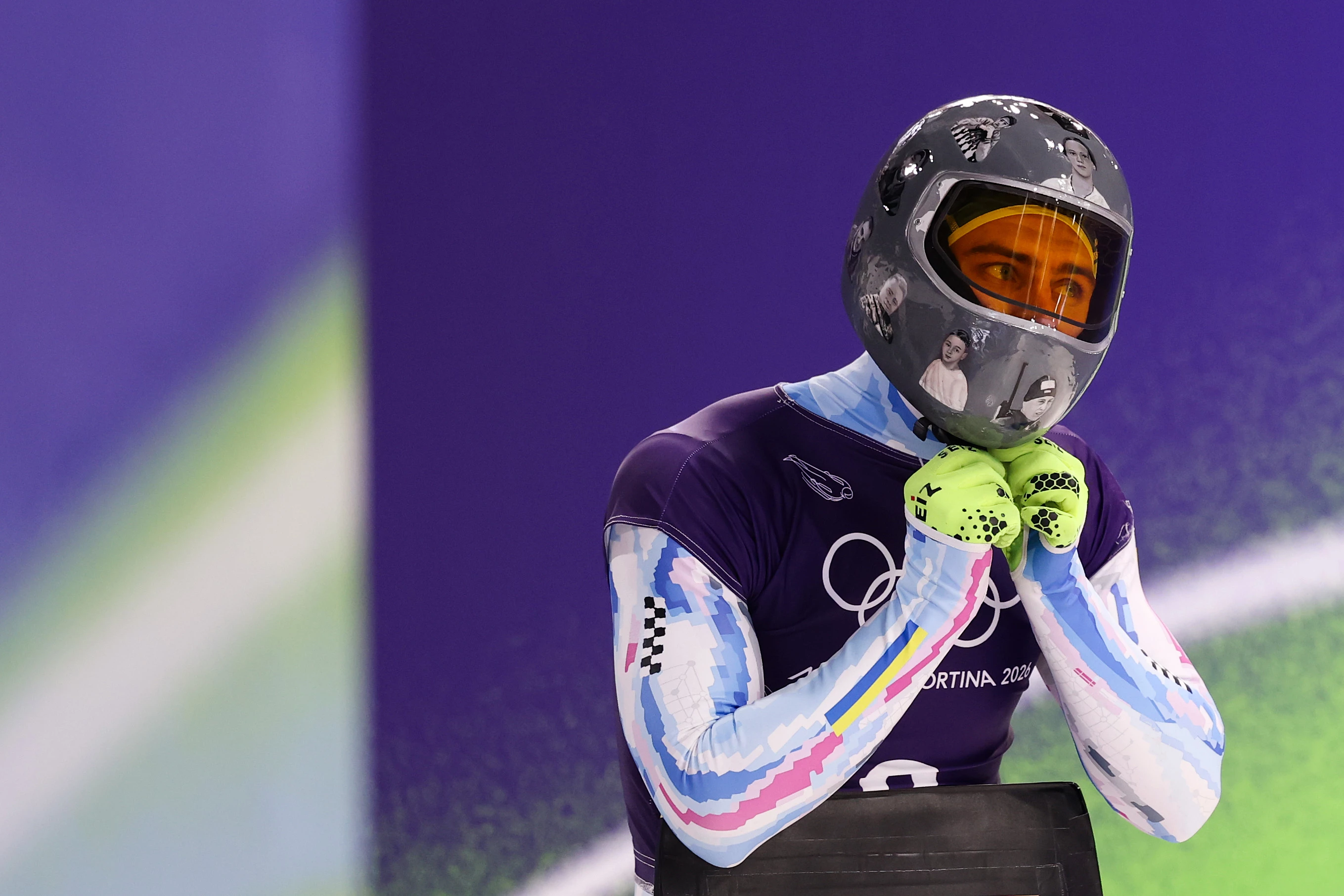
Skeleton racer Vladislav Heraskevych, who carried the country’s flag at the opening ceremony of the 2026 Winter Olympics, paid tribute to fallen Ukrainian athletes. During official training on February 9, he competed with a helmet featuring photographs of athletes who perished as a result of the Russian invasion of Ukraine. The 27-year-old athlete called it a “helmet of remembrance,” noting that some of them were his friends. This marked the beginning of a significant conflict between him and the International Olympic Committee, which disqualified the Ukrainian athlete on the day of his first start for intending to compete with the “helmet of remembrance.” The Court of Arbitration for Sport (CAS) rejected Heraskevych’s appeal, but the world, from politicians to Hollywood stars, supported the Ukrainian.
New Sincerity: Figure Skater Alysa Liu
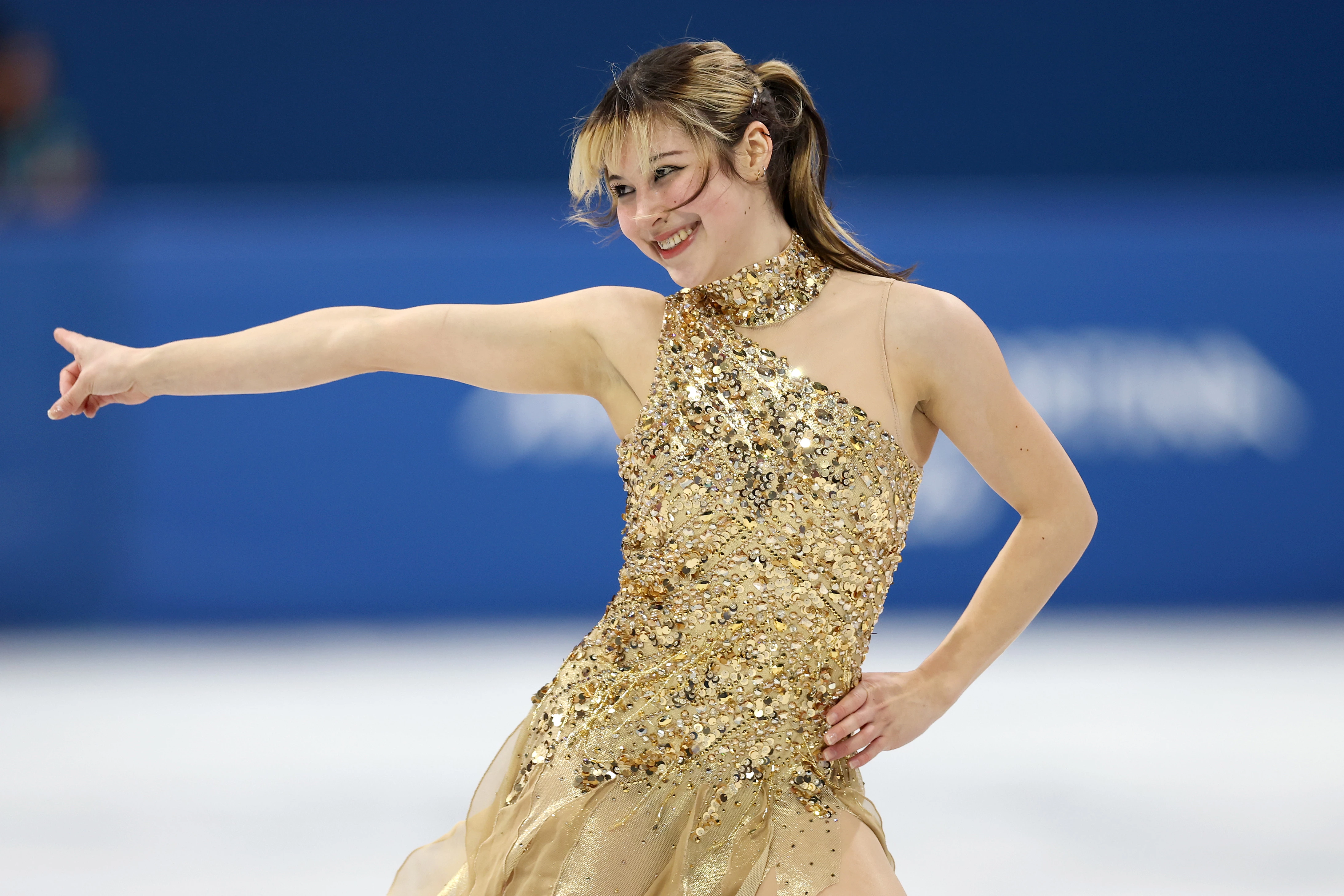
Spectators are accustomed to viewing figure skating as a “factory of pain.” American figure skater Alysa Liu, who won a gold medal this year, demonstrates that one can skate not for scores, but for personal enjoyment. This is the “human face” of a sport that typically demands iron discipline. Just eighteen months ago, Liu’s success was unimaginable, as the young skater abruptly retired at 16 and gradually regained her form. The reason for her decision was constant fatigue, excessive pressure, and the pursuit of ultra-difficult jumps. In an interview with The Guardian, she stated: “I didn’t care about competitions. I didn’t care about programs. I just wanted to get away. I hated the fame, the social media. I didn’t like interviews. I hated all of it.” Alysa took two years off from professional sports, enrolled in university, and traveled. During this time, Liu managed to rediscover her love for figure skating and achieve “gold” through an unconventional path: with self-care.
Breaking Taboos: Ski Jumper Agnes Reisch
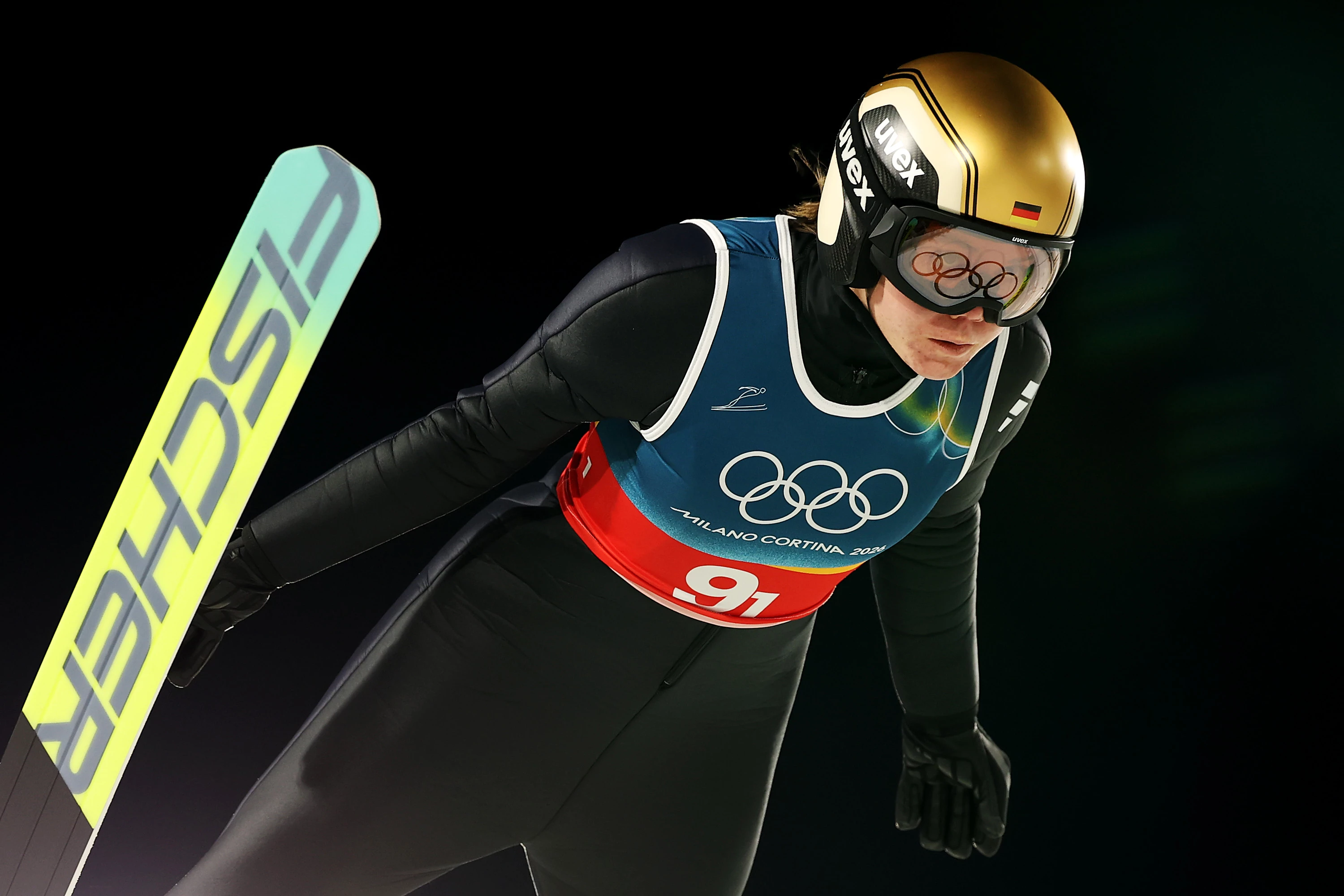
The topic of menstruation in professional sports remains in the shadows, despite affecting half of the world’s population and impacting performance. 26-year-old German ski jumper Agnes Reisch withdrew from her third training jump the day before the competition began, having completed the two previous jumps. The reason was menstruation, and Reisch did not conceal it. Other female athletes and teammates supported Agnes, sharing their own experiences related to their periods. However, critics of the athlete were more numerous. Agnes was accused of seeking excuses, and her candor was deemed “shameful.”
Acknowledging Mistakes: Biathlete Sturla Holm Lægreid
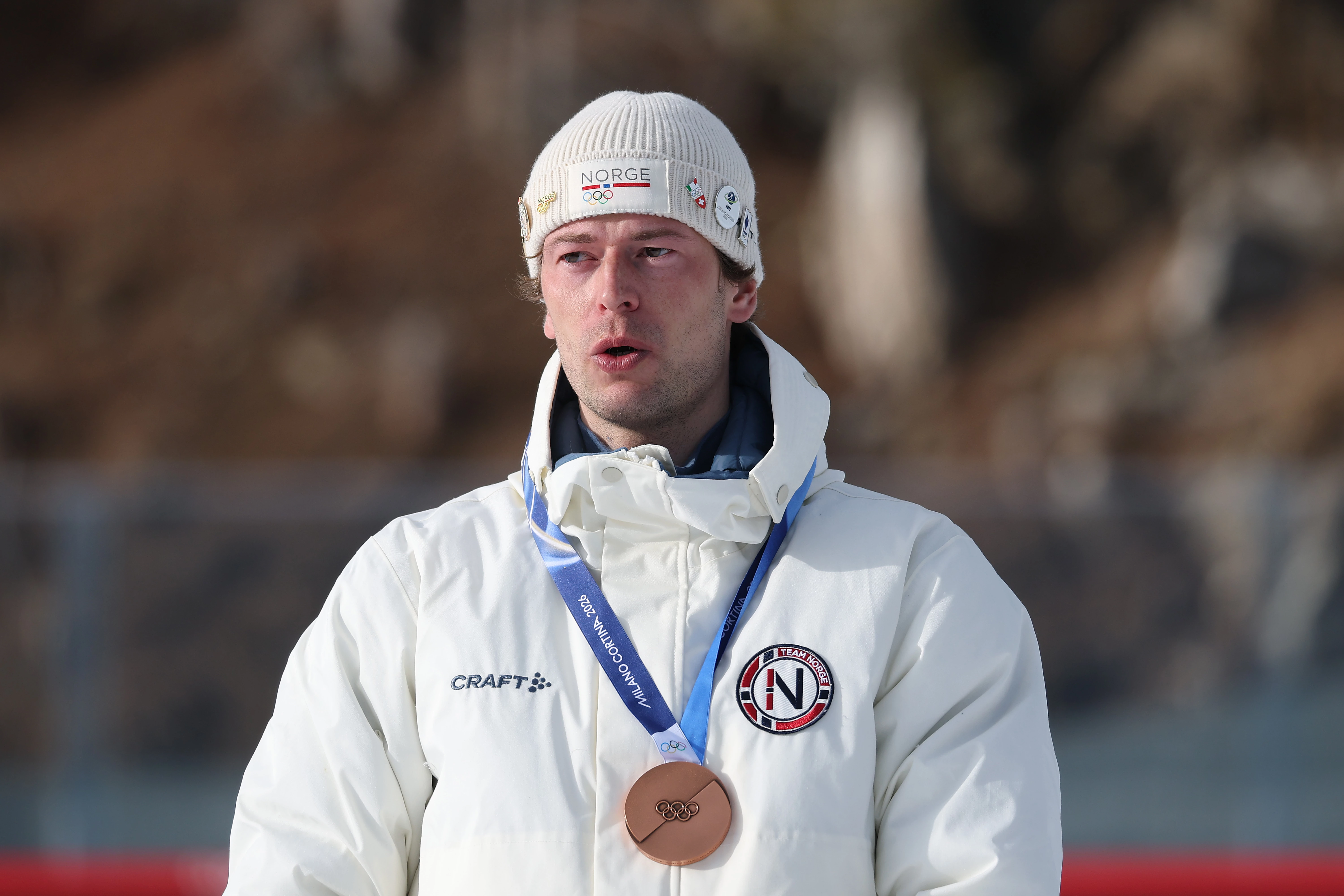
Another viral moment of the 2026 Olympic Games was the unexpected confession of Norwegian biathlete Sturla Holm Lægreid. The Olympic champion of Beijing 2022 and seven-time world champion won a bronze medal in the 20-kilometer individual race in Milan. However, before the cameras, he admitted to betraying his girlfriend. The biathlete added that he had experienced “the worst week” of his life after his actions. Social media opinions were divided: some thanked Lægreid for his sincerity and reminded him of the importance of admitting one’s mistakes, while others called such actions pure manipulation and suggested his ex-girlfriend find a new boyfriend who wouldn’t cheat.