

The world premiere of the documentary “The Case of the Artist. Serge Lifar” will take place on April 6 at The European Festival in Stockholm. It tells the story of the life and journey of Serge Lifar, one of the most talented dancers of the 20th century, who became a legend of the Parisian ballet. The creator of the film’s concept, journalist and researcher Anna Lodygina, spoke to Vogue.ua about her work on the film, which was commissioned by the Public Broadcasting.
How did you decide to make a film about Lifar? What turned out to be the most difficult?
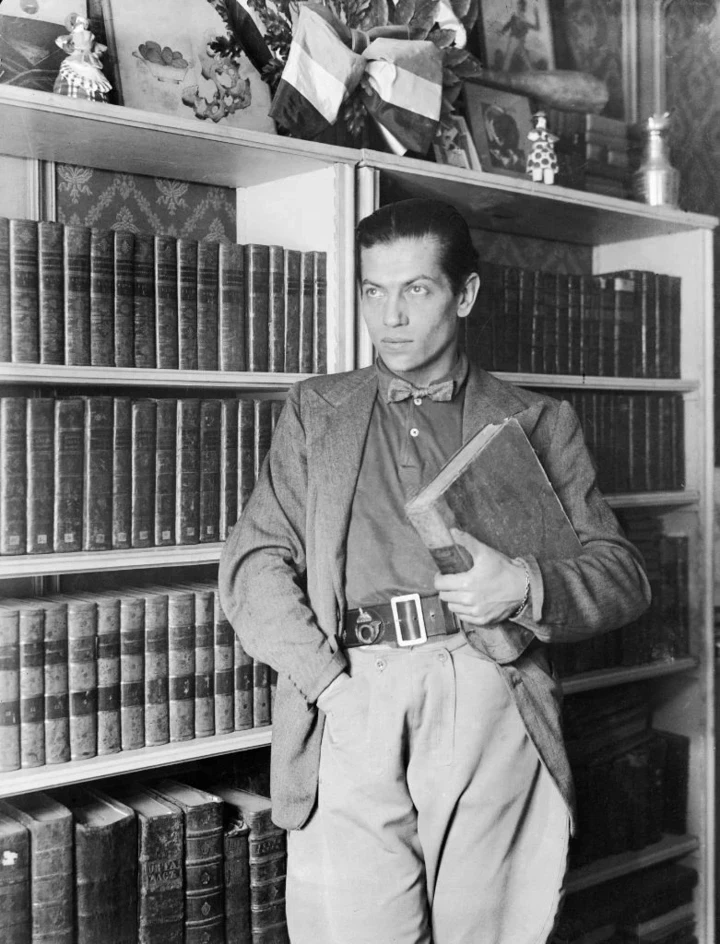
I first filmed a short segment about him three and a half years ago. At that time, together with a television team from Polish public broadcasting, we were making an English-language travelogue about famous Ukrainians who influenced European culture. Of course, I was captivated by Lifar’s biography: at 17, he escaped from Soviet-occupied Ukraine on his second attempt, became a leading soloist of a ballet troupe within two years without formal choreography education, headed the Paris Opera Ballet at 25, and transformed it into one of the most successful ballet companies in the world, collaborating with the art legends of that time — from Coco Chanel to Pablo Picasso and Marc Chagall. Moreover, he was incredibly productive, managing to stage up to 10 performances a year.
During the filming, I was surprised by the absence of Lifar’s ballets in the Paris Opera’s repertoire. From subtle hints, it became clear that he was still treated with caution. For example, we were asked not to touch upon political topics in the segment so as not to stir up the past. At that time, I knew that Lifar remained in charge of the theater during the Nazi occupation of Paris in World War II, but without details. In particular, about the complex post-war trial of collaborators, where he was also accused, although he did not receive a severe punishment. Instead, he received a ruined reputation, which he tried to restore until the end of his life.
I wanted to delve into this story. Everything was difficult: agreeing on filming locations, persuading French experts to give interviews, processing recently declassified materials of his case in French, and finally, finding answers, at least for myself — who Serge Lifar really was.
What main archives of Lifar did you work with, and who among the experts turned out to be the most valuable for you?
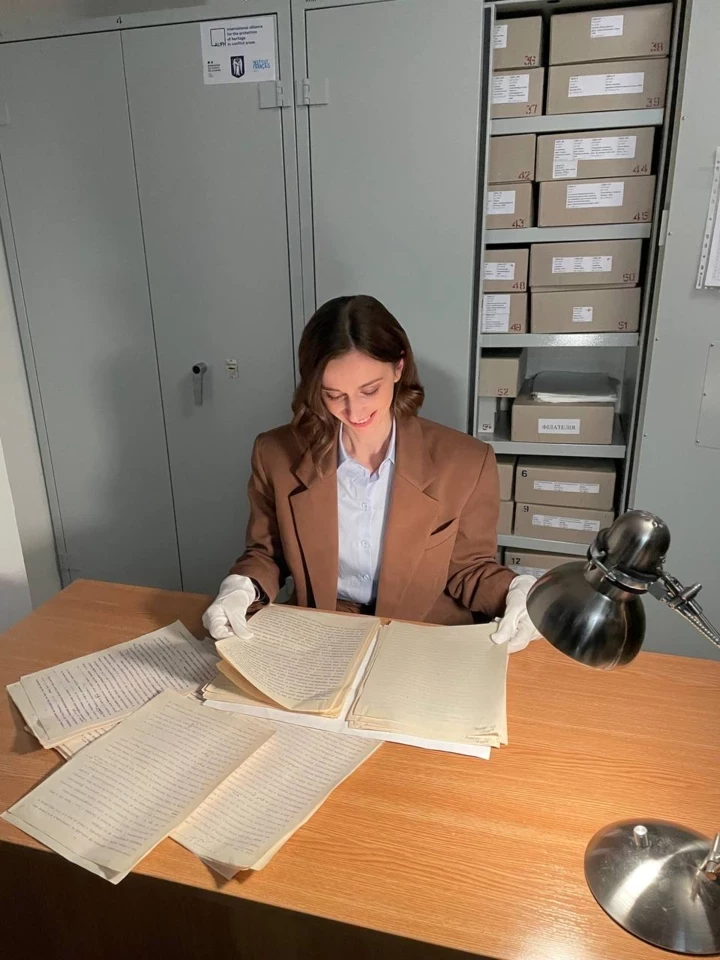
The most important person from the beginning was the director of the Serge Lifar Museum in Kyiv, Natalia Belous. She is processing part of the archive, which, fortunately for us, the dancer’s widow transferred to the city in the 1990s. In the iron chests that arrived in Kyiv, along with other researchers, Ms. Natalia discovered unpublished memoir entries by Lifar concerning the World War II period. It was this that spurred the entire story of our film.
Another researcher of Ukrainian origin, Olena Yashchuk-Kodet, helped us obtain electronic copies of Lifar’s declassified case file at the prefecture of the Paris police, which had been monitoring him for decades. Working with these materials, Nina Zakhoschenko and I, the co-screenwriter, felt like detectives. Especially when we compared the data with information from “The Case of the Artists” regarding Lifar and his family, which was declassified more than 10 years ago in the archives of the Security Service of Ukraine.
Cooperation with the American dance researcher Mark Frank was valuable. Although his opinion on Lifar does not coincide with the position of most other experts, he is the only one who has processed his archive in Berlin. Some documents he discovered became important for our work.
How long did the work on the film take, and where did you film?
Every project has a deadline, so we couldn’t work at a comfortable pace. Only thanks to the fact that we already had several years of preparation by the time we started, we managed to fit the entire process — from development to final editing — into a year and a half. We filmed in Serge Lifar’s two key cities — Kyiv and Paris.
It was interesting to observe ourselves and the film crew: during the process, our attitude towards him constantly changed, and we kept asking each other: what do you think now — is he guilty or not? Probably, we all went through emotional swings — from sympathy to rejection, from deep empathy to confusion and not understanding how we would behave in his circumstances.
What is the main myth about Lifar that you debunked for yourself?
I quite often come across discussions about how Ukrainian Lifar was and whether his name is worth bringing back at all, as he is called an imperialist, accused of negative statements about Petliura and lack of ties with the Ukrainian diaspora in Paris. I cannot say that I had similar doubts, as I operated with a broader range of information from the beginning, but it was important to gather as many confirmations as possible to the contrary.
For example, Lifar initiated the invitation of a Ukrainian ballet troupe to Paris, where it was awarded the “Golden Star” of the French Academy of Dance. There is a photo from that trip in the film: Lifar is in an embroidered shirt. The frame was kindly provided by the researcher of Ukrainian ballet Katya Yeletskikh. But, unfortunately, it is impossible to include everything in the film.
And what about what you learned about him that fascinated you the most?
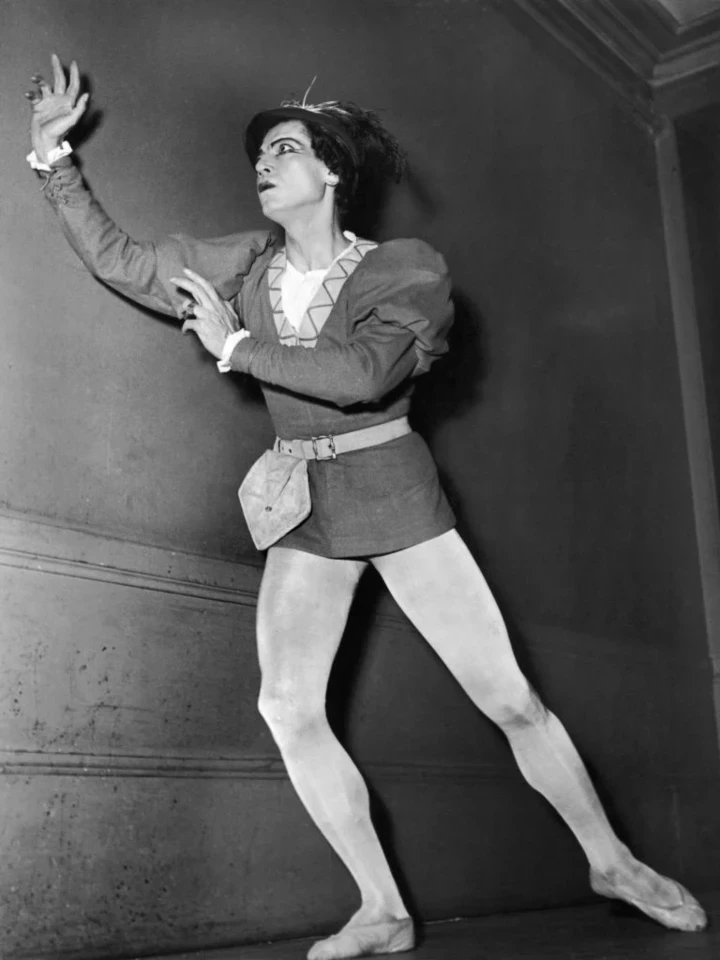
Lifar’s legacy is under threat of disappearance today. If a painting or a book can live for centuries under favorable circumstances, then dance is a unique moment that passes into the past every second. Therefore, it is important for any choreographer that their productions remain in the repertoire constantly — only then do they live. If, for example, Lifar’s ballets are not staged for 10 years, it means that an entire generation of dancers does not know his choreography, and it becomes increasingly difficult to pass it on.
That is why the most valuable thing that happened to me during the project occurred on the last day of filming. A student of his student was staging a fragment of the ballet “Mirage” with her own ballet dancer in one of the classes of the Paris Opera with a view of the entire city. In one moment, what Lifar created over 70 years ago was being recreated right before our eyes. He literally came alive in every movement of the dancer.
Did you have unlimited access to Lifar’s Parisian archives?
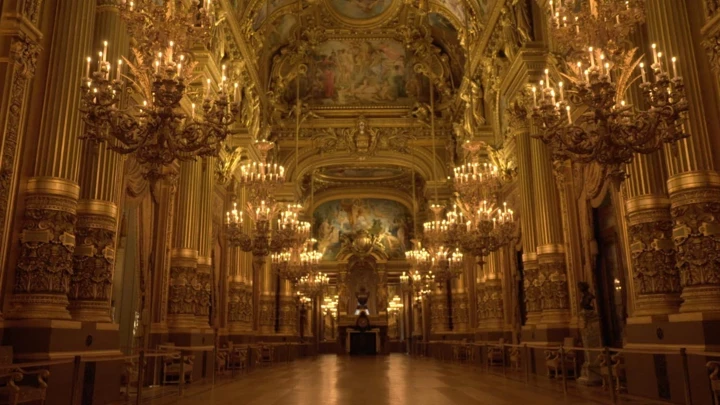
In an ideal world, it would be worth living in Paris for at least a few months to process the entire archive — access to it is available. But we did not have such a luxury, so we could only partially study it — we focused on key documents. I hope we will have such an opportunity again — and not only in Paris, as Lifar’s archive is also kept in Lausanne and Berlin.
Overall, was the French side receptive to you as a researcher?
Everyone was receptive, but not everyone was ready to be filmed. However, they became important sources of information. The most upsetting thing is that we could not film Lifar’s student, Claude Bessy, who was 92 at the time. She agreed to give an interview, show photos with Lifar from her archive, and some items he had given her. Mykola Popelus, who was in charge of searching for video archives, even managed to find a black-and-white recording of Bessy performing in Kyiv in 1958, when Lifar himself was not allowed on this tour. We wanted to give her this recording.
But, unfortunately, a few days before filming, she was taken to the hospital by ambulance. She is fine now, but the filming, of course, had to be canceled then. This is the big problem: we, Ukrainian researchers, did not manage to catch those who knew Lifar, and they are passing away.
Advertising.
We know that the Lifar Museum in Kyiv does not have its own physical space, and its collection has been partially evacuated. If we want to learn more about Lifar, what would you recommend?
From time to time, the Museum of Kyiv History holds exhibitions dedicated to Lifar. The last one took place this winter. Until the next one, I recommend starting with his memoirs — “Years of Harvest” and “Memories of Icarus.” They will help you immerse yourself in Lifar’s biography. Today, his ballets are rarely seen, but when such an opportunity arises, you should definitely go and watch. For example, in April, the Royal Swedish Opera will stage one of his most famous ballets — “Suite en Blanc.”