
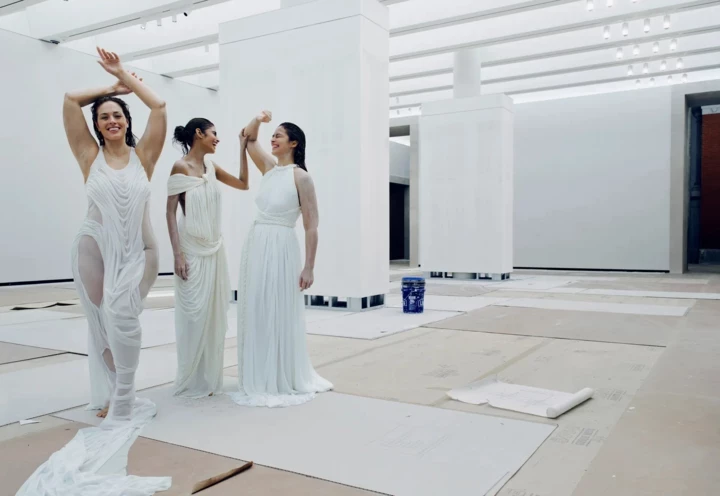
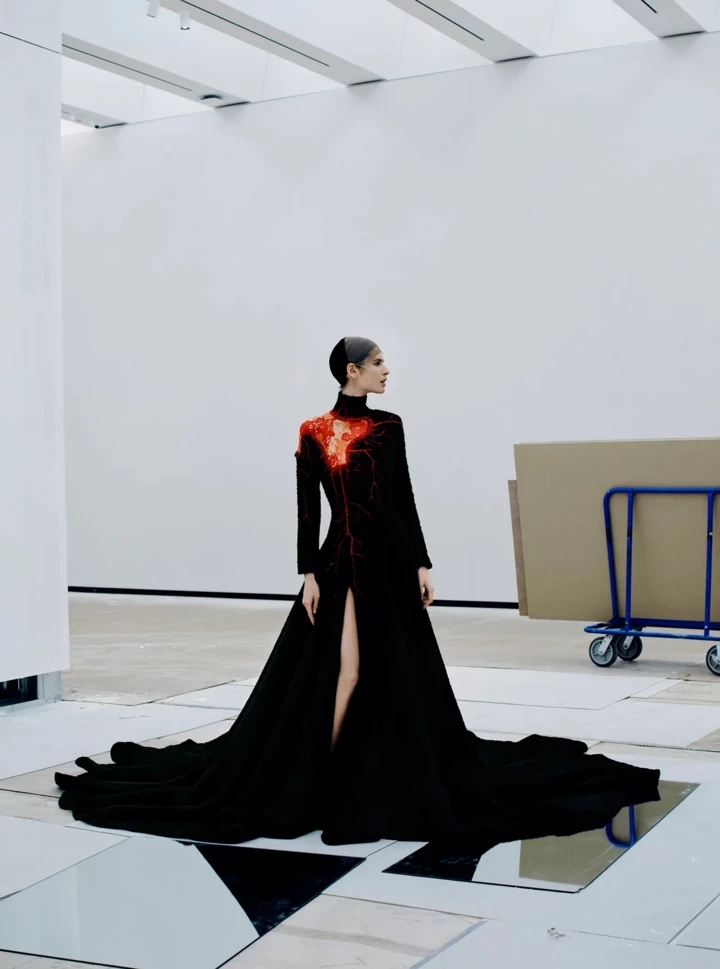
The Metropolitan Museum of Art unveils one of the year’s most anticipated exhibitions on May 10 – “Art of Costume,” curated by the Costume Institute. The fashion museum now operates within the new Condé M. Nast Galleries, situated adjacent to The Met’s Great Hall. Spanning 1100 square meters, these galleries represent the most significant expansion in The Met’s history.
Advertisement.
Is fashion art? Is art fashion? The Costume Institute at The Metropolitan Museum of Art will explore these questions starting in May. This year, the Costume Institute enjoys a significant expansion, occupying a new, spacious building connected to The Met’s Great Hall. “In a way, fashion is broader than art,” states Andrew Bolton, Curator of the Costume Institute. “It encapsulates our lived experience – the only art form capable of that.”
Fashion now takes center stage in one of New York’s most visited museums, positioned between the Egyptian galleries to the north and the Greek and Roman collections to the south. Within its dedicated space, the Condé M. Nast Galleries of the Costume Institute will present “Art of Costume,” an exhibition that examines and celebrates attire, showcasing garments and artifacts from across the museum’s extensive collection.
“The relationship between fashion and art has profoundly shifted in our era,” remarks artist Maurizio Cattelan, one of the many curators I consulted about the new Met space for this article. “Fashion no longer seeks validation from art, nor does art pretend to overlook fashion. They’ve recognized a shared obsession: the body, power, desire, status. It is within The Metropolitan Museum that fashion has transitioned from being perceived as craft to becoming a narrative art form. Exhibitions are increasingly resembling dialogues rather than mere displays of garments. It is this evolution from object to idea that makes fashion compelling.”
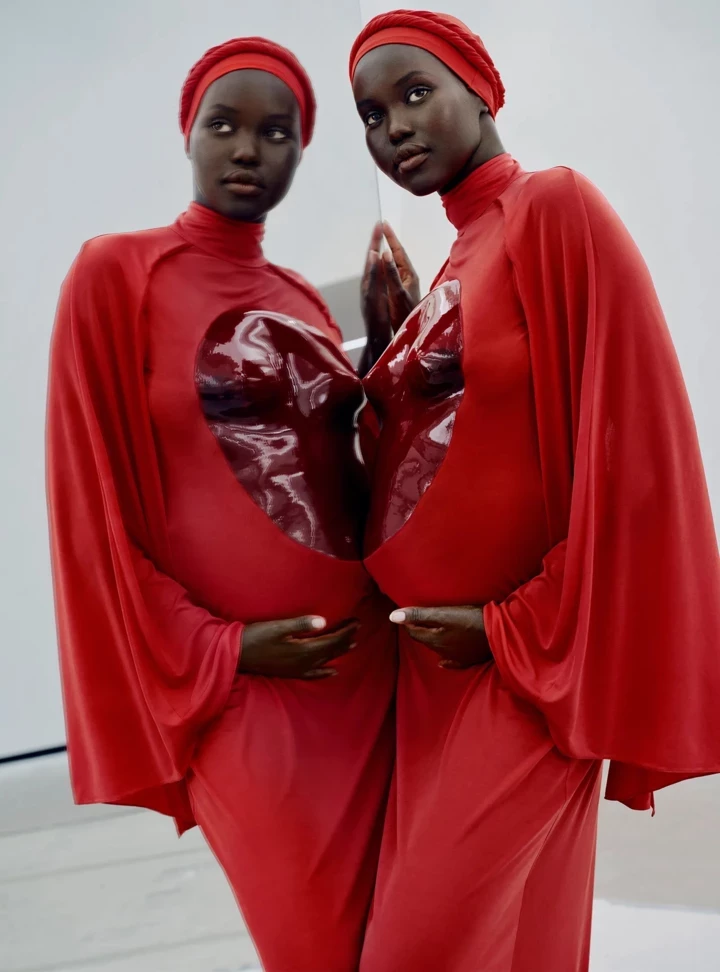
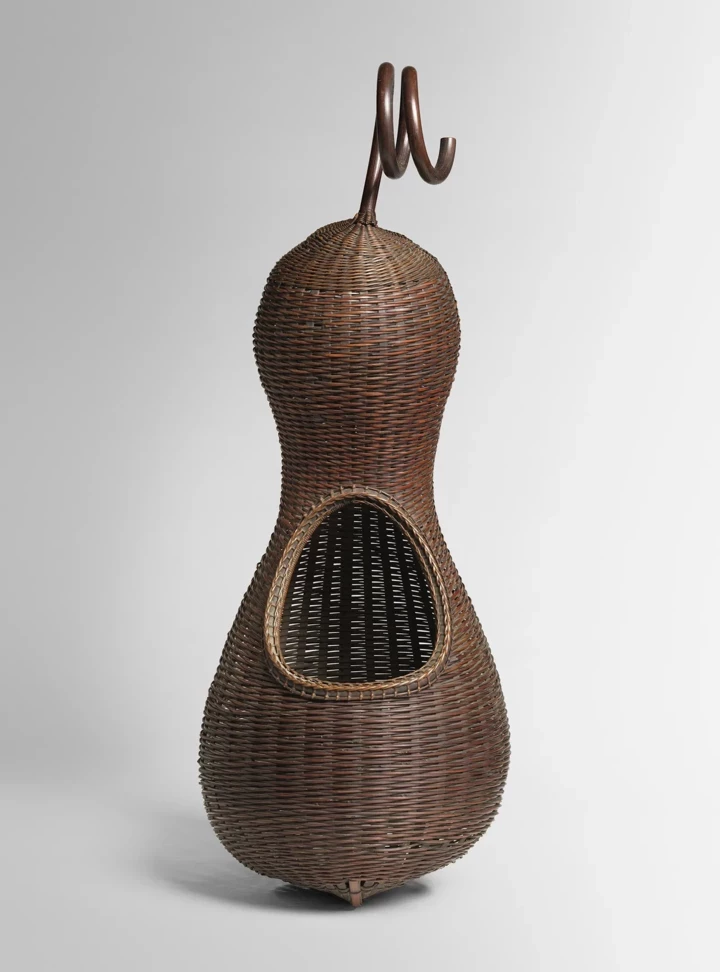
“The influence of the Costume Institute and its exhibitions has grown immensely over the past 30 years,” states designer Michael Kors. When asked about art’s impact on his work, he lists artists such as Mark Rothko, John Singer Sargent, and Georgia O’Keeffe. “These artists revealed to people the interconnectedness of fashion with everything – from pop culture to politics and art. That fashion is more than just the clothes you wear daily.”
The Costume Institute now having its own dedicated building is a logical development. The architectural project was handled by Brooklyn-based firm Peterson Rich Office. Principals Nathan Rich and Miriam Peterson, a couple whose first date occurred at The Met, immersed themselves in the museum’s history. They studied the Great Hall, contemplating how it could lead visitors to the galleries and how light would flow. Their objective was to create a new urban pathway to fashion, working closely with Bolton.
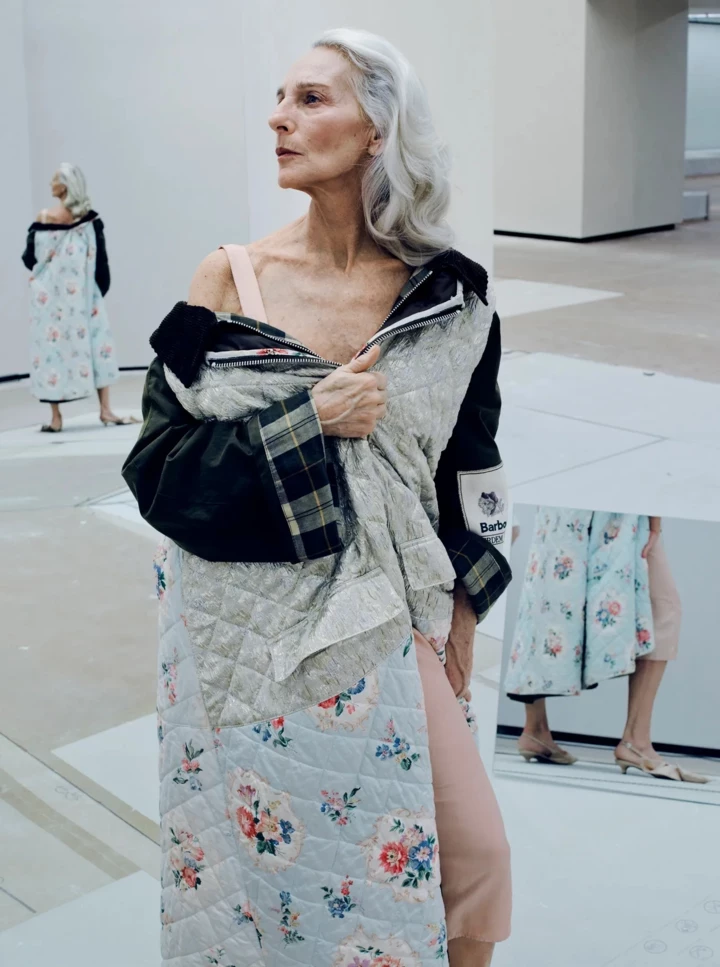
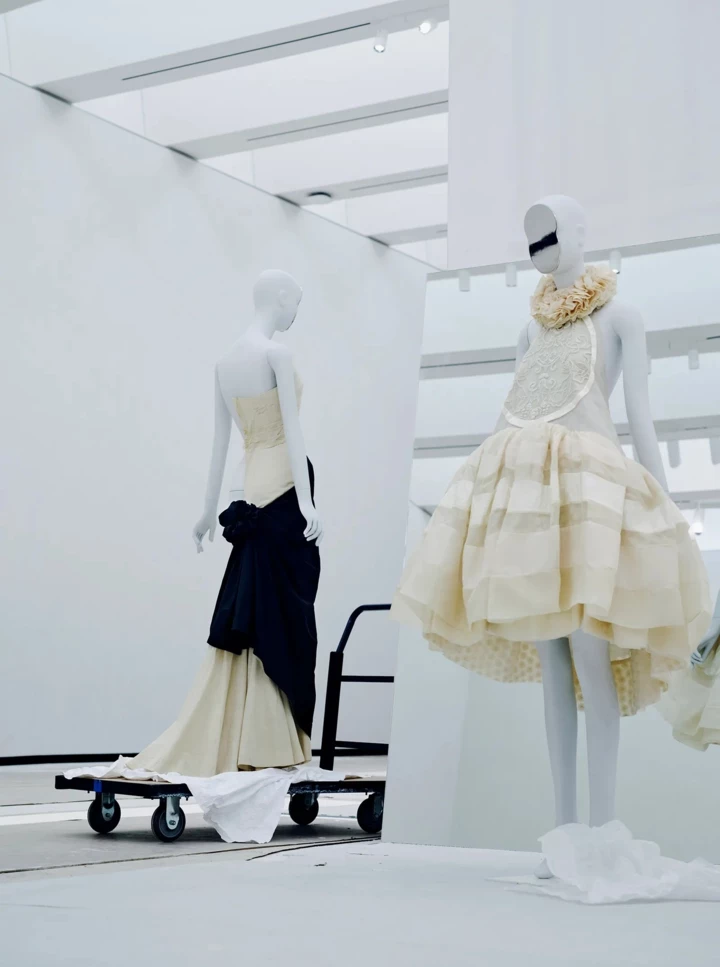
Bolton required a versatile space with adjustable lighting and independent power, on a scale comparable to the Greek or Roman galleries. “It needed to be a flexible exhibition hall that would constantly evolve,” Rich explains. “Simultaneously, it had to feel as though it had always been part of the museum.” The new galleries, totaling nearly 3660 square meters, are divided into five interconnected areas. A luminescent gray-and-white stone floor, beamed ceilings, and Venetian plaster walls contribute to their distinctive atmosphere.
All boundaries and divisions dissolve in Bolton’s new exhibition. “Art of Costume” is conceptualized as an inclusive project, centering on the human body and its various representations – clothed, unclothed, adorned, honored, wounded, and mourned. Through a series of striking, sometimes intentionally jarring juxtapositions, the exhibition links objects and imagery with garments: a Greek vase from 460 BCE with a 1920s Fortuny dress; Albrecht Dürer’s woodcut “Man of Sorrows” with Vivienne Westwood’s “Love Plague” jacket; an 1883 walking dress; sculptures by Jean Arp and Henry Moore alongside ensembles by Rei Kawakubo for Comme des Garçons. The exhibition illuminates the enduring, symbiotic relationship between art and fashion, affirming them as distinct yet equally valid forms of creative expression.
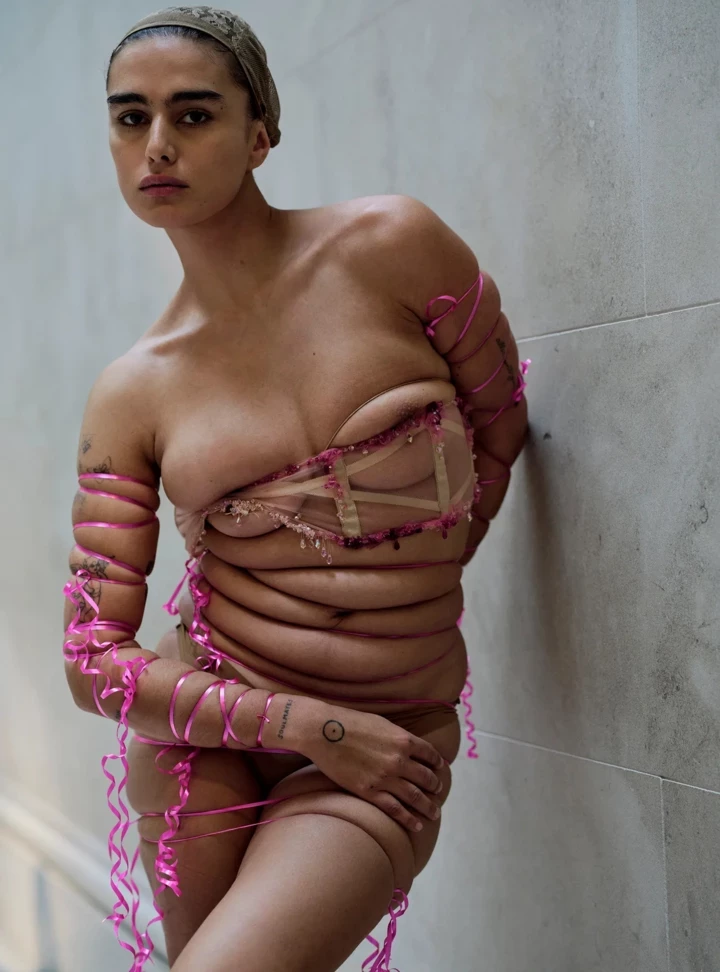
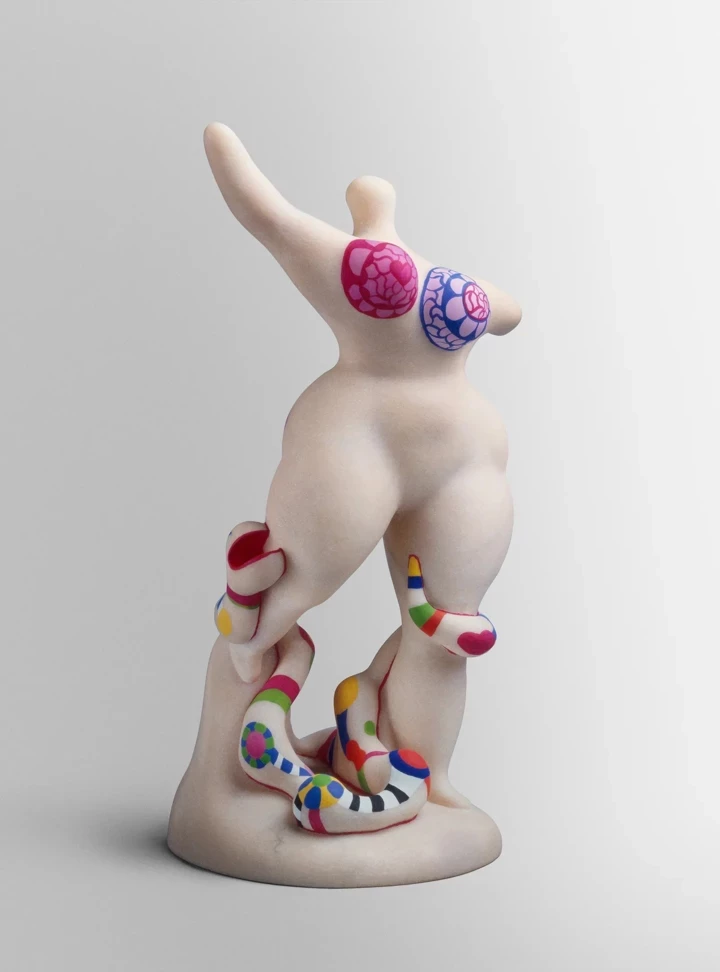
“I wanted to present fashion as a lens through which to view art,” Bolton explains. “So the pairings are sometimes formal, sometimes conceptual, sometimes political, sometimes humorous, sometimes profound, and sometimes lighthearted. The union of clothing and artwork generates new meanings. I want to focus on that. It’s like one plus one equals three… I hope the exhibition allows people to make these connections beyond the museum’s walls.”
“I’m struck by how the representation of fashion at The Met has evolved from archival to more immersive, almost cinematic,” says artist Laurie Simmons. “The exhibitions have taken on a performance-like quality – with their own narrative, mood, and psychology. The museum is demonstrating that the body – clothed, styled, posed – is as compelling as any ancient relic. Placing the fashion department alongside the Egyptians and opposite the Greeks and Romans isn’t an anomaly; it’s a correction. The museum acknowledges that what we wear is also a civilization’s artifact.”
Ultimately, I posed the same question to my husband, the journalist and art critic Calvin Tomkins, author of The Met’s history “Merchants and Masterpieces”: Can a costume be art, and art be fashion? He responded with a resounding “Yes!” adding, “In fact, the two concepts are so intertwined they cannot help but be one another.”
Based on Vogue.com
Text by: Dodie Kazanjian
Photographer: Ethan James Green
Stylist: Amanda Harlech