

Françoise Cartier Brille, the great-great-granddaughter of one of the founding brothers of the Cartier jewelry empire, spent 10 years working on a book about her family’s history. This winter, the book “Cartier. The Untold Story of the Family Behind the Jewelry Empire” was published by Fabula, and we explain why this captivating family drama is good reading for cold February evenings.
For decades, the Cartier jewelry empire told its story through its creations – tiaras, bracelets, and watches – but the people behind these famous jewels remained in the shadows. In “Cartier. The Untold Story of the Family Behind the Jewelry Empire,” 48-year-old writer Françoise Cartier Brille shifts the focus for the first time: from the works of art to those who created, sold, protected, and lost them. Interestingly, her research, which took over 10 years, is not a deconstruction of the brand but an attempt to see it from the inside, as a family system with its own rules, conflicts, and vulnerabilities.
Advertisement.
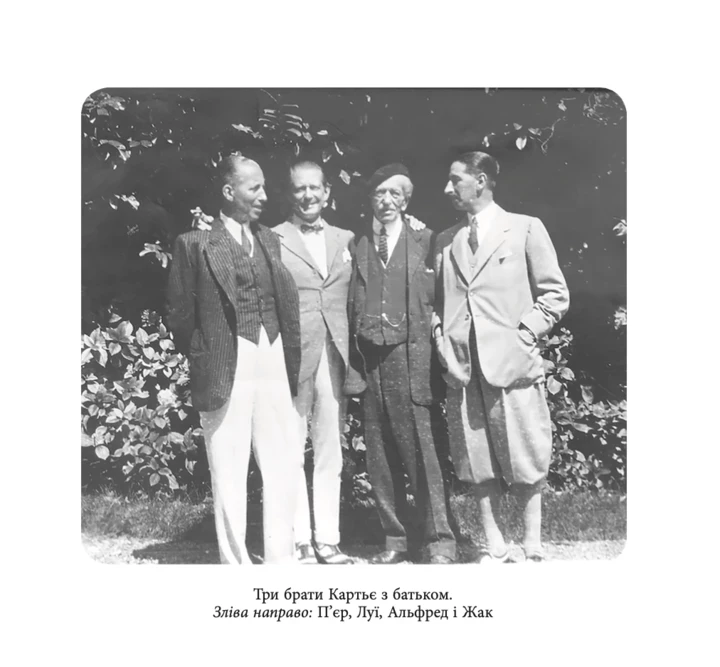
Françoise Cartier Brille writes from a position within the story. Her great-great-grandfather founded the firm in 1847, and her late grandfather, Jean-Jacques Cartier, was the last family member to lead the company. Françoise holds a degree in English literature and built a career in finance before ultimately focusing on writing. For a decade, Françoise sought original sources worldwide and met with people connected to the family and its business. She works with the family’s private archives: hundreds of letters, telegrams, notes, and diaries found in a trunk in the basement of her grandfather Jean-Jacques Cartier’s home. These documents form the core of the book and define its tone – personal, documentary, and at times, uncomfortable.
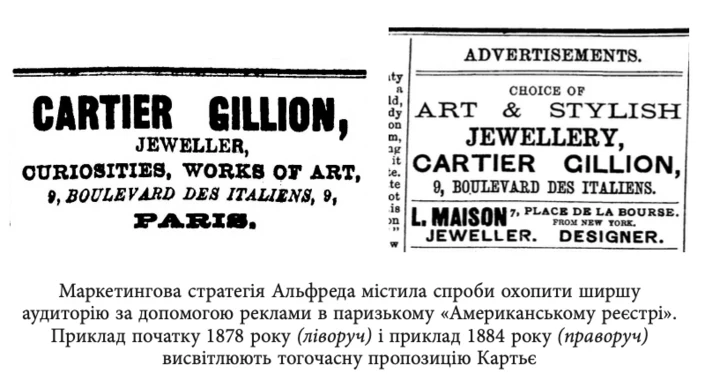
Structurally, the book covers four generations of the Cartier family, but the central focus is the period when the brand was shaping into an international force. The key figures are the three brothers: Louis, Pierre, and Jacques. The book gradually reveals the internal architecture of Cartier as a family business. From letters and memoirs, it becomes clear that the Cartier brothers complemented each other harmoniously: Louis focused on artistic vision and style, Pierre was responsible for client relations and financial stability, and Jacques handled the house’s international development. This diversity of roles and personalities enabled the family business to grow into a global empire. However, the book does not idealize this collaboration; the letters record tension, fatigue, fear of mistakes, and the pressure of responsibility.
One of the main issues Françoise raises is the price of a family brand’s success. Through personal correspondence, she traces how business consumes private life, how decisions made in the interest of the House affect family relationships, health, and the sense of home. Cartier in the book is a constant process of balancing creativity and control, freedom and discipline.

Another important theme is the loss of family presence in the brand. The author frankly discusses the moment when Cartier ceases to be a family company and passes into the hands of corporate structures. The figure of Jean-Jacques Cartier, her grandfather, becomes pivotal; he symbolizes the end of an era when the brand was still an extension of the family, not just a global business entity.
At the same time, the book speaks volumes about the values that have endured beyond changes in ownership. Françoise illustrates how respect for craftsmanship, attention to detail, and ethical treatment of clients and artisans shaped Cartier’s reputation long before the brand became part of luxury conglomerates. According to her logic, this is precisely what allowed the house to retain its identity even after losing family control.
Importantly, the author avoids mythologizing. She does not try to “clean up” the history, nor does she conceal conflicts and difficult decisions. On the contrary, the book constantly returns to the question: is an ideal balance between art, business, and family possible, and is the brand itself not a result of constant compromises?
Ultimately, Françoise Cartier Brille’s “Cartier…” is a book not just about a jewelry empire, but about the mechanics of inheritance, memory, and responsibility. It explains Cartier not through its jewelry, but through its people, and this is its primary value. It offers an honest, documentarily verified perspective on a brand accustomed to being seen as a symbol of perfection, but rarely as the outcome of complex human decisions.