

Retinol is among the most potent ingredients for mature skin. However, not all formulations perform equally well. We consulted dermatologists on how to choose between serums, creams, and masks to find the most effective anti-aging care.
Retinol for Mature Skin: How It Works and Why Dermatologists Recommend It
Retinol is a key component in the fight against aging, and the reason is simple: it genuinely works. Dermatologists endorse this vitamin A derivative for addressing a range of issues, from acne to age-related changes. It is particularly effective in combating wrinkles, pigmentation, and loss of firmness, making it ideal for mature skin.
Advertising.
View this post on Instagram
“Retinol functions in several ways. It stimulates collagen production and enhances the condition of the dermal matrix, which thins with age, resulting in skin that appears more radiant and firm,” explains dermatologist Carmen Castilla. Despite its proven efficacy, it’s crucial to remember that not all retinol products yield the same results. Therefore, a careful approach to choosing a formula is essential.
What is Retinol and How Does It Work?
Retinol is a derivative of vitamin A. Upon application to the skin, it converts into retinoic acid, the active form that influences cellular processes. “Regular use of retinoids stimulates collagen synthesis, improves skin density, and diminishes the appearance of fine lines,” explains dermatologist Dr. Kemp. Furthermore, they accelerate cell turnover, refine skin texture, and help address pigmentation and imperfections.
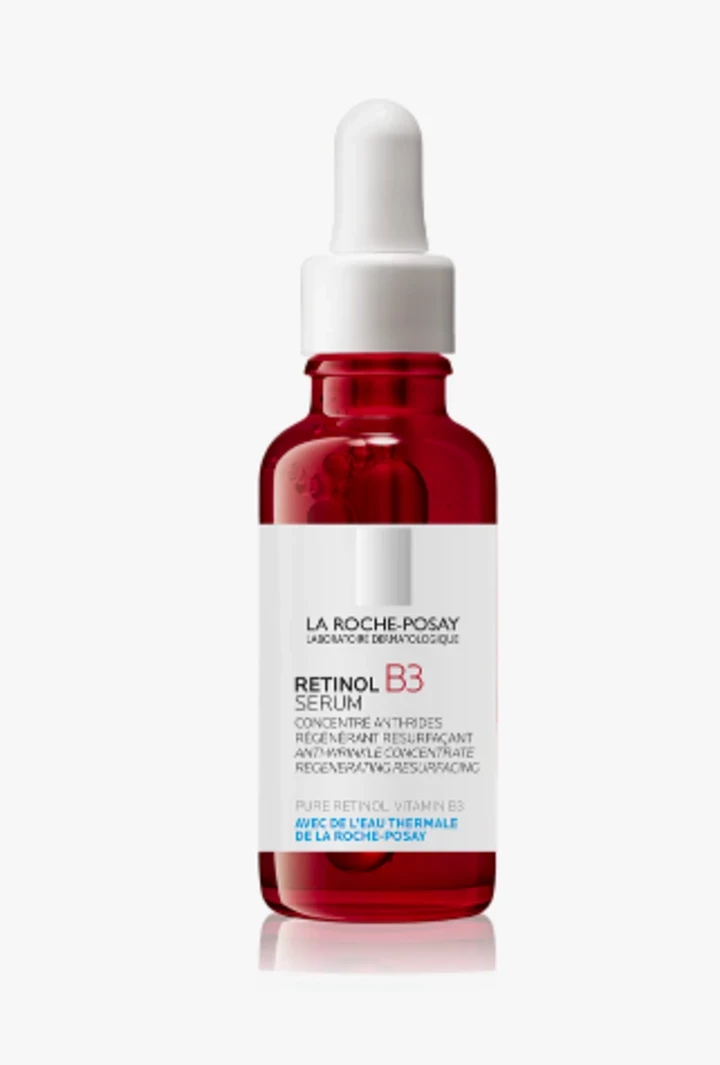
Why Retinol is Particularly Important for Mature Skin
As we age, natural collagen production begins to decline, a process starting as early as our twenties. Concurrently, the skin gradually thins, with both the epidermis and dermis losing density. This leads to the emergence of wrinkles, dryness, loss of elasticity, and a weakened protective barrier. Retinol helps counteract these changes by stimulating cell renewal, increasing skin thickness, and improving dermal circulation.
How to Use Retinol Correctly: The Importance of Concentration
The concentration of retinol in products typically ranges from 0.025% to 1%. Experts advise starting with the lowest percentages, especially for those with dry or sensitive skin. This is important because retinol can cause irritation, redness, or peeling. Therefore, at the outset, it’s recommended to use it 1-2 times per week, gradually increasing the frequency. Once the skin adapts, you can transition to higher concentrations. “For individuals already accustomed to retinol or those without sensitivity, formulations with concentrations of 0.5-1% are suitable,” notes Dr. Kemp.
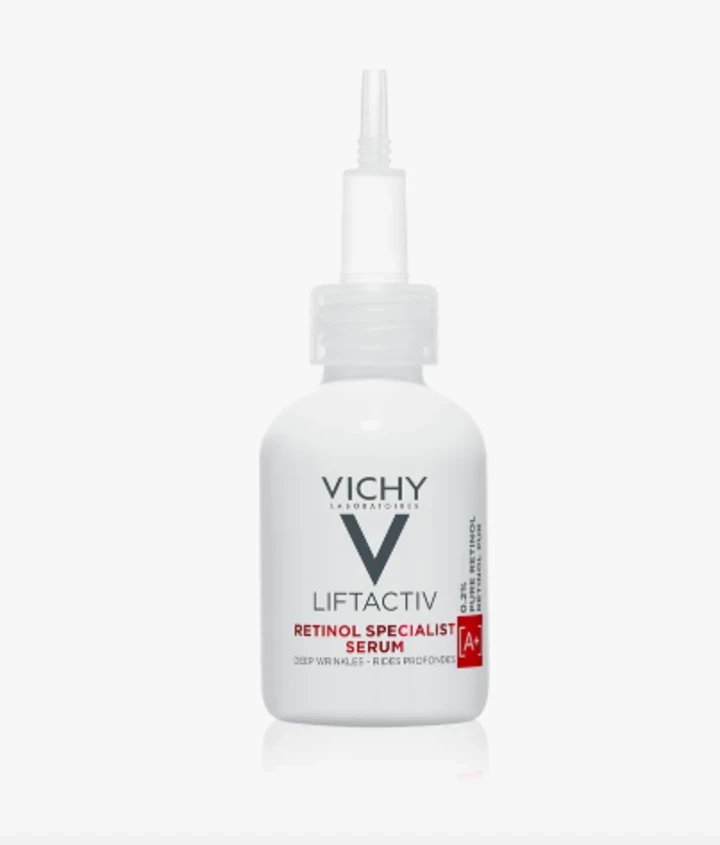
Choosing Retinol for Mature Skin
Different Forms of Retinoids Yield Different Effects
Several types of retinoids are available on the market, differing in their potency. For instance, retinal converts to its active form more rapidly, making it more effective than classic retinol. Conversely, retinyl esters (such as retinyl palmitate) act more gently and are less likely to cause irritation, though they may be less potent.
Don’t Focus Solely on Percentage
It’s important to understand that the same concentration does not guarantee identical effectiveness. Different forms of retinoids possess varying strengths, making direct comparisons inappropriate. Therefore, it’s advisable to first determine the type of retinoid before paying attention to its percentage in the formulation.
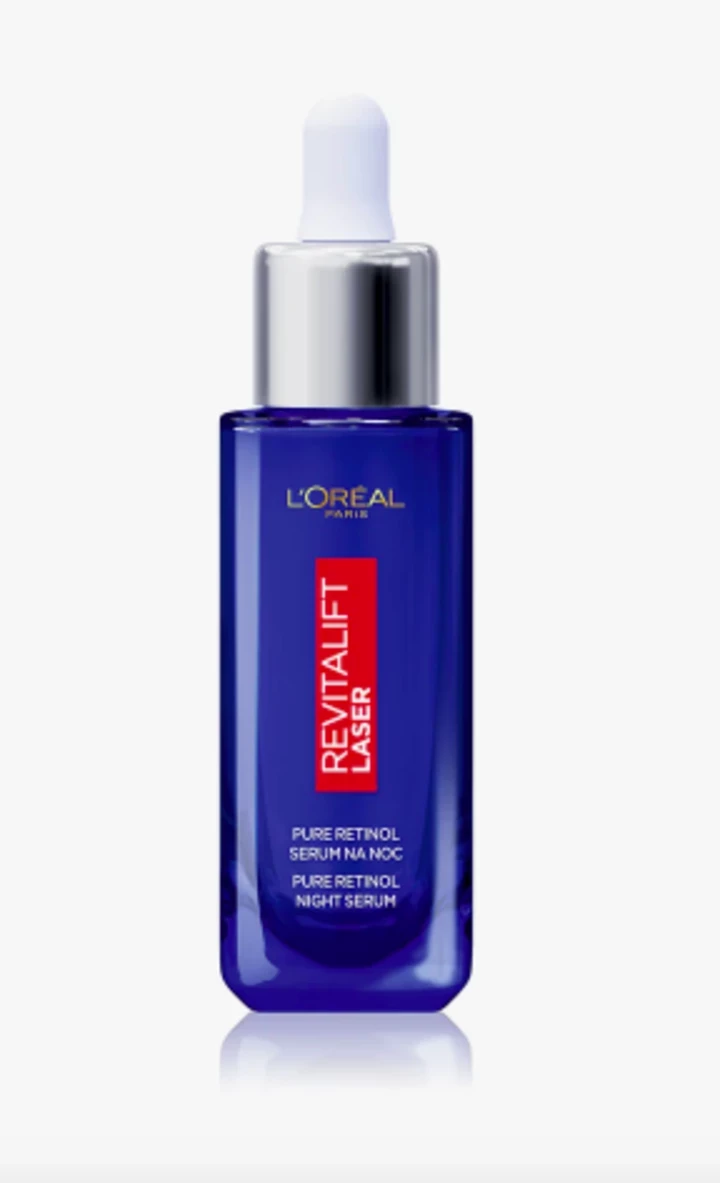
User Comfort is Key to Results
Retinol is an ingredient that only works with consistent application. Initial results are typically noticeable around 12 weeks, but maximum benefits are achieved over time. Thus, selecting a product that is pleasant to use daily is crucial, as consistency and patience yield the best outcomes.
Based on material from: Vogue.it