

While viewers are divided into two camps, debating Emerald Fennell’s film “Wuthering Heights,” we offer for your reading pleasure several passionate and dark stories that will appeal to all admirers of Emily Brontë’s gothic novel.
“Far from the Madding Crowd,” Thomas Hardy

As one of the last representatives of Victorian literature, the English writer Thomas Hardy is most frequently mentioned when discussing books in the style of “Wuthering Heights.” Like Emily Brontë, Hardy criticizes the patriarchal structure of old England and the moral standards of the society of his time. His novels primarily deal with love triangles—love that is rather unhappy, though very passionate. This is precisely why the release of Hardy’s new works was accompanied by heated discussions and scandals in their time.
For those who enjoyed “Wuthering Heights,” we recommend turning to Hardy’s 1874 book “Far from the Madding Crowd,” which brought the author worldwide acclaim. First and foremost, it is the story of a woman who challenges societal norms; a story of love and trials. The novel’s events unfold on a farm in Wessex and narrate the relationships of the young woman Bathsheba Everdene with her neighbor William Boldwood, the loyal shepherd Gabriel Oak, and the carefree Sergeant Troy. The heroine, Bathsheba Everdene, is one of the bravest women in classical literature, whom the author himself described as “Elizabethan in intellect, Mary Stuart in spirit.”
Реклама.
“Jamaica Inn,” Daphne du Maurier
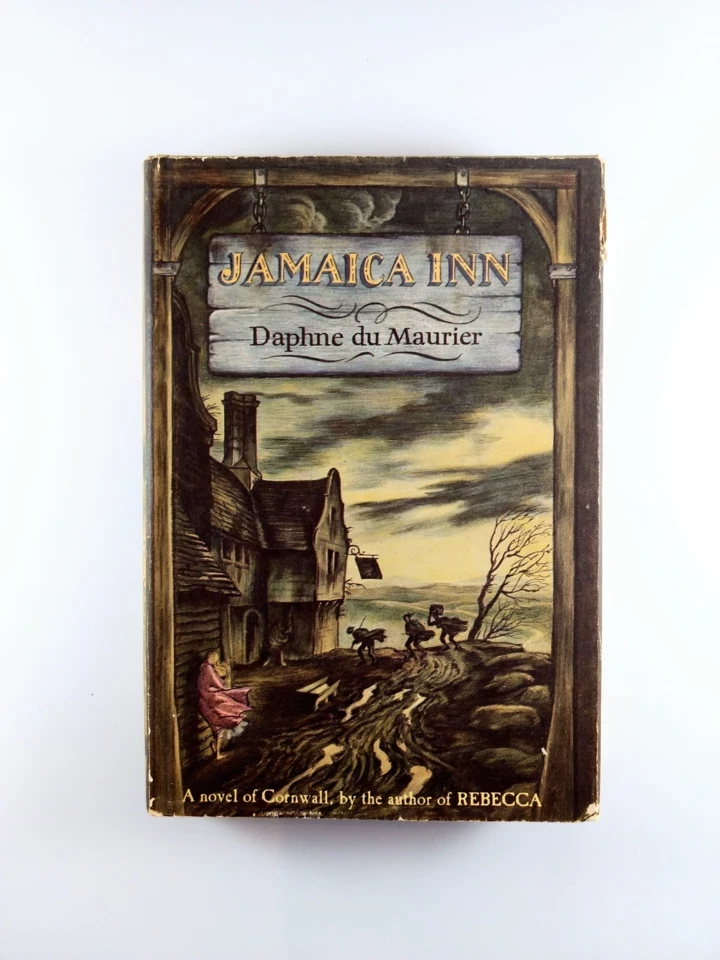
A brilliant master of the psychological thriller, the English writer Daphne du Maurier is renowned for her talent in crafting mystical, exquisite stories, typically featuring women as protagonists. The worldwide fame of “Jamaica Inn” was cemented by Alfred Hitchcock’s 1939 film adaptation, who keenly understood and masterfully interpreted du Maurier’s mystical plots.
Against the backdrop of the Cornish landscape, a perilous narrative unfolds, gripping the reader from the first line to the last: 23-year-old Mary Yellan moves in with her aunt, who manages a gloomy inn on the moors. She discovers that her uncle leads a band of smugglers who prey on ships, and she is forced to fight for her own survival while uncovering dangerous family secrets. If you are fond of classic gothic literature, immersing yourself in du Maurier’s world will bring true delight.
“The Tenant of Wildfell Hall,” Anne Brontë

The events of the novel by Anne Brontë, the youngest of the three Brontë sisters, unfold in Yorkshire. A young widow, Helen Graham, settles with her son in the deserted estate of Wildfell Hall. Her independent demeanor draws the condemnation of the local inhabitants. Only her neighbor, Gilbert Markham, feels an irresistible pull towards Helen, despite numerous rumors. For behind the unusual lifestyle of the enigmatic Mrs. Graham lie many secrets…
“The Tenant of Wildfell Hall” is a daring novel for its time, in which the author openly criticizes the status of women in society then. Anne Brontë died of tuberculosis at the age of 29.
“The Count of Monte Cristo,” Alexandre Dumas

Love, revenge, social inequality, and injustice are the main themes of “Wuthering Heights,” and in this regard, it resonates with the classic of French adventure literature—Alexandre Dumas’s novel “The Count of Monte Cristo.” In our selection, this is the only book that centers on the story not of a woman rebelling against society, but of a man.
From our school days, we know the story of Edmond Dantès, unjustly imprisoned in the Château d’If, where he spent 14 years. After his escape, Dantès, consumed by fury and a desire for vengeance, finds his tormentors and destroys their careers, reputations, and families, but vengeance brings him no solace.
“Rebecca,” Daphne du Maurier
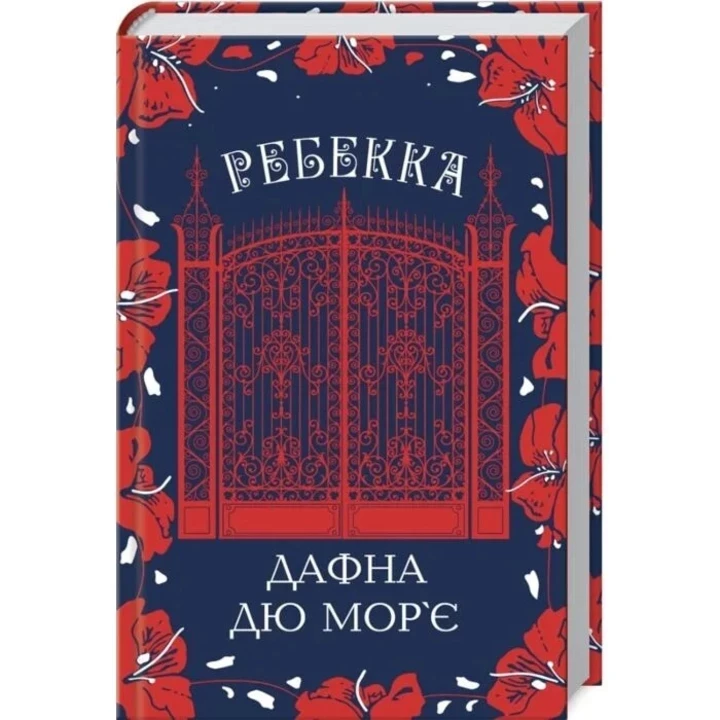
“Rebecca” by Daphne du Maurier was written in 1938 and has since been repeatedly recognized as one of the greatest mystery novels of all time. If you have seen or at least heard of Hitchcock’s film, you are already familiar with the plot of “Rebecca.” It is the story of a young woman who meets Maximilien, a British aristocrat, in Monte Carlo—a widower whose wife died during a yachting excursion. The heroine moves to Maximilien’s Cornish estate, where she encounters the hostility of the housekeeper and staff and constantly feels the presence of the deceased wife in the house. What happens next is best not recounted, but read.